
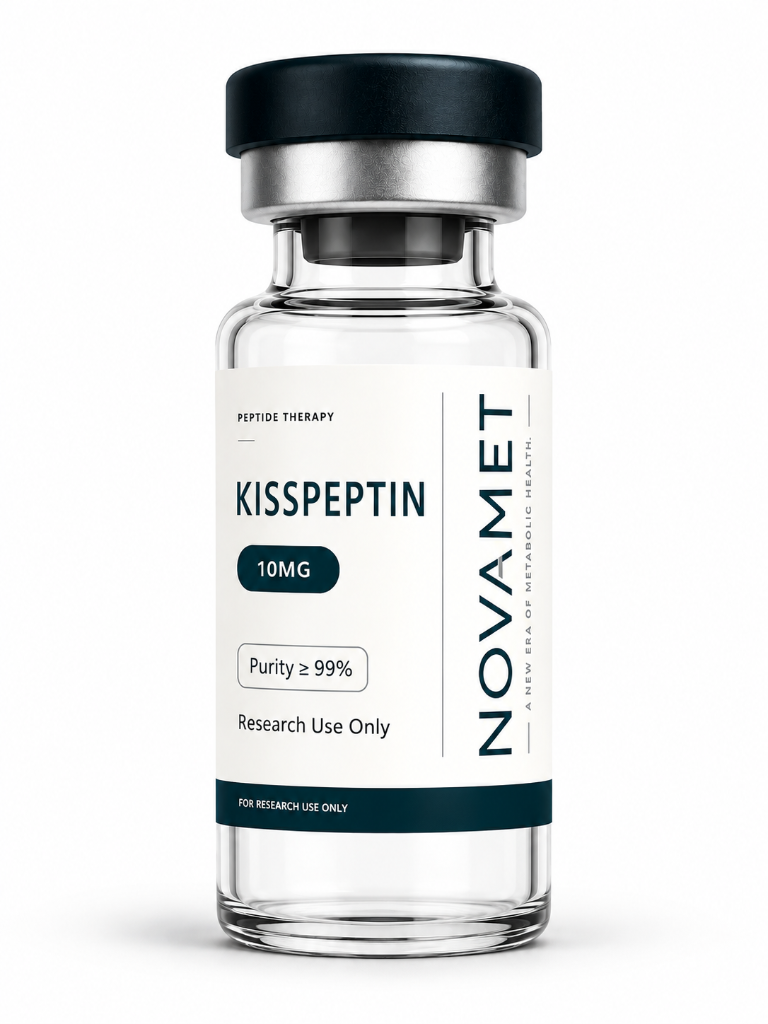
Kisspeptin-10 Peptide Protocol
Potent hypothalamic decapeptide targeting KISS1R / GPR54 signaling for endocrine optimization, LH/FSH pulsatility, and metabolic health.
infoResearch & Clinical Context
Neuroendocrine regulator investigated in reproductive hormone pulsatility and metabolic homeostasis.
Mechanism & Biological Overview
Kisspeptin-10 is a synthetic 10-amino acid biologically active fragment of kisspeptin. It acts as an endogenous ligand for the G-protein coupled receptor GPR54 (KISS1R) in the hypothalamus, directly triggering GnRH release, stimulating luteinizing hormone (LH) and follicle-stimulating hormone (FSH) secretion, and modulating metabolic energy balance without receptor downregulation.
Key Biological Highlights & Benefits
- checkSelectively activates hypothalamic KISS1R (GPR54) receptors
- checkStimulates endogenous pulsatile release of GnRH, LH, and FSH
- checkSupports endocrine balance and natural hormone responsiveness
- checkInvestigated for metabolic signaling and cellular vitality
Scientific Literature Abstract
"Kisspeptin-10 serves as the primary neuroendocrine gatekeeper of the HPG axis. Administration stimulates rapid, physiological pulsatile secretion of LH and FSH via direct excitation of GnRH neurons, demonstrating efficacy in endocrine restoration and metabolic coordination."
hubTarget Receptor Pathways
Frequently Asked Questions
What is Kisspeptin-10 primarily researched for?
Kisspeptin-10 is studied for its role in activating the hypothalamic-pituitary-gonadal axis, stimulating natural LH/FSH secretion, and supporting neuroendocrine balance.
How does it compare to direct gonadotropins?
Kisspeptin acts upstream at the hypothalamic level, promoting natural, pulsatile endocrine signaling rather than continuous supraphysiological suppression.
Explore Related Scientific Interventions
Semaglutide Protocol
A GLP-1 receptor agonist studied for appetite modulation and glycemic signaling pathways in metabolic health.
Tirzepatide Dual Agonist
Dual GIP and GLP-1 receptor agonist targeting complementary metabolic pathways for body composition and appetite research.
Retatrutide Triple Agonist
Triple receptor agonist (GIP, GLP-1, and Glucagon) studied for its potential effects on metabolic rate and lipid mobilization pathways.
Clinical & Legal Disclaimer
Medical Disclaimer: Information provided on this website is for educational and informational purposes only and is not a substitute for professional medical advice, diagnosis, or treatment. Product availability, indications, regulatory status, and suitability may vary. Any medical treatment should be considered with an appropriately qualified healthcare professional.
NOVAMET does not guarantee specific weight-loss, metabolic, or treatment outcomes.